Back Pain
Assessment and management of acute and chronic lower and upper back pain, including disc-related and mechanical causes.
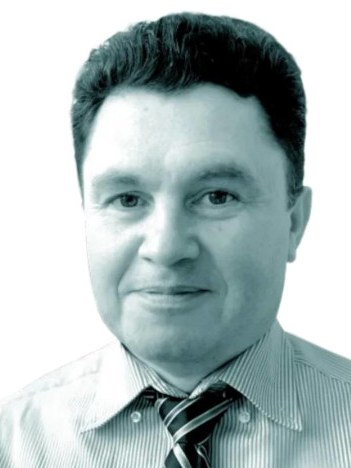
Dr Aliaksandr Mudrakouski
FFPMCAI · FIPP & CIPS (World Institute of Pain) · European Diploma Regional Anaesthesia
Registered with the Irish Medical Council as a Pain Management Specialist · IMC Reg. No. 230380
Consultant-led interventional pain management at Beaumont Private Clinic — spinal and joint injections, radiofrequency ablation, PRP and nerve blocks.
About the Practice
Dr Aliaksandr Mudrakouski completed his training in Anaesthesia, Intensive Care Medicine and Pain Management in 2015. He completed further fellowship training in Pain Medicine at St Vincent’s University Hospital, Dublin, and Leeds Teaching Hospitals, UK.
He has been working as a Pain Management Consultant at Beaumont Hospital, Dublin, since 2017.
Conditions
Assessment and management of acute and chronic lower and upper back pain, including disc-related and mechanical causes.
Management of chronic and acute neck pain, including pain related to cervical spine conditions.
Diagnosis and treatment of sciatic nerve pain radiating from the lower back into the leg, including image-guided injection options where appropriate.
Shoulder, knee and hip pain, myofascial pain, arthritis, tendinitis and bursitis. Image-guided injections to joints and joint nerve ablative procedures are available where clinically appropriate.
Management of neuropathic pain and Complex Regional Pain Syndrome (CRPS), including nerve block and neuromodulation options where clinically appropriate.
Post-shingles pain, medically known as postherpetic neuralgia, is managed using a multimodal approach combining nerve-calming medications, topical treatments, and sometimes interventional procedures to stabilise damaged nerve fibres.
Discomfort that persists for at least three months after an operation, lasting beyond the normal tissue healing time. It often combines dull, aching tissue pain with sharp, nerve-related sensations in or near the surgical site.
Facial pain has many potential causes, from dental issues and sinus infections to nerve disorders such as trigeminal neuralgia or jaw joint (TMJ) problems. Because the face has many tightly packed nerves, muscles and tissues, a professional medical or dental evaluation is usually required to identify the cause.
Cervicogenic headaches are secondary headaches caused by problems in the neck, such as stiff joints, worn discs or tight muscles. Occipital neuralgia is a separate disorder caused by irritation, inflammation or compression of the occipital nerves, causing sharp, electric shock-like pain at the base of the skull.
Treatments
For neck and back pain: selective nerve root blocks and epidural steroid injections, facet joint injections and blocks, sacroiliac joint injections, and nerve or nerve plexus blocks.
Targeted injections to interrupt pain signals from a specific nerve, used both diagnostically and as part of ongoing management of sciatica and nerve pain.
A minimally invasive procedure using heat generated by radio waves to reduce pain signals from specific nerves in the neck and back.
Joint injections deliver medication directly into or around a joint to help reduce pain, swelling and inflammation. Options may include corticosteroids, hyaluronic acid gel lubricants, or platelet-rich plasma (PRP), for conditions such as arthritis, tendinitis and bursitis.
Regenerative medicine injections aim to support the body’s natural healing response in damaged joints, ligaments and tendons, rather than relying on steroids to reduce inflammation. Options may include platelet-rich plasma (PRP), dextrose-based solutions and other selected agents. In PRP, a patient’s own blood is drawn and separated in a centrifuge; the platelet-rich fraction, which contains the body’s own anti-inflammatory particles and growth factors, is then injected into the affected area.
Botulinum toxin type A is used in the management of chronic migraine and other headache disorders, and in selected neuropathic and musculoskeletal pain conditions.
Ongoing review and management of pain medication, with an emphasis on safe, evidence-based prescribing.
Not every treatment is suitable for every patient — suitability is assessed on an individual basis during consultation.
Insurance
Consultations are available to patients with private health insurance, including:
Self-paying patients are also accepted.
Why Choose This Practice
Every patient is assessed and treated directly under consultant supervision.
Treatment plans follow current clinical guidelines, favouring the least invasive appropriate option first.
A straightforward referral process for GPs and their patients.
[PLACEHOLDER: confirm actual clinic days/times, e.g. "clinics available on weekday mornings and evenings"]
Get in Touch
To book a consultation, please contact Sasha, Dr Mudrakouski’s secretary, by phone or email, or use the form. A GP referral is not required, though it is desirable. Self-referred patients are also accepted.